According to a report by Christian Solidarity International (CSI), Christians and other minorities are at greater risk of being killed or abducted under the Syrian Transitional Government led by Ahmed al-Sharaa. The transitional government replaced the 54-year-old-dictatorship of Bashar al-Assad when it collapsed in December 2024.
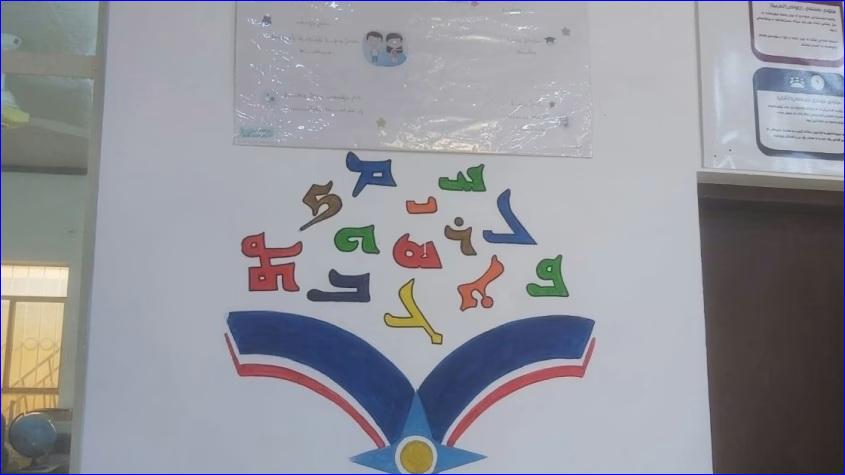 The state of Assyrian language education in the Kurdistan Region of Iraq (KRI) has returned to the forefront following a visit by a delegation from the Assyrian Writers and Authors Union to the General Directorate of Education in the Soran Independent Administration.
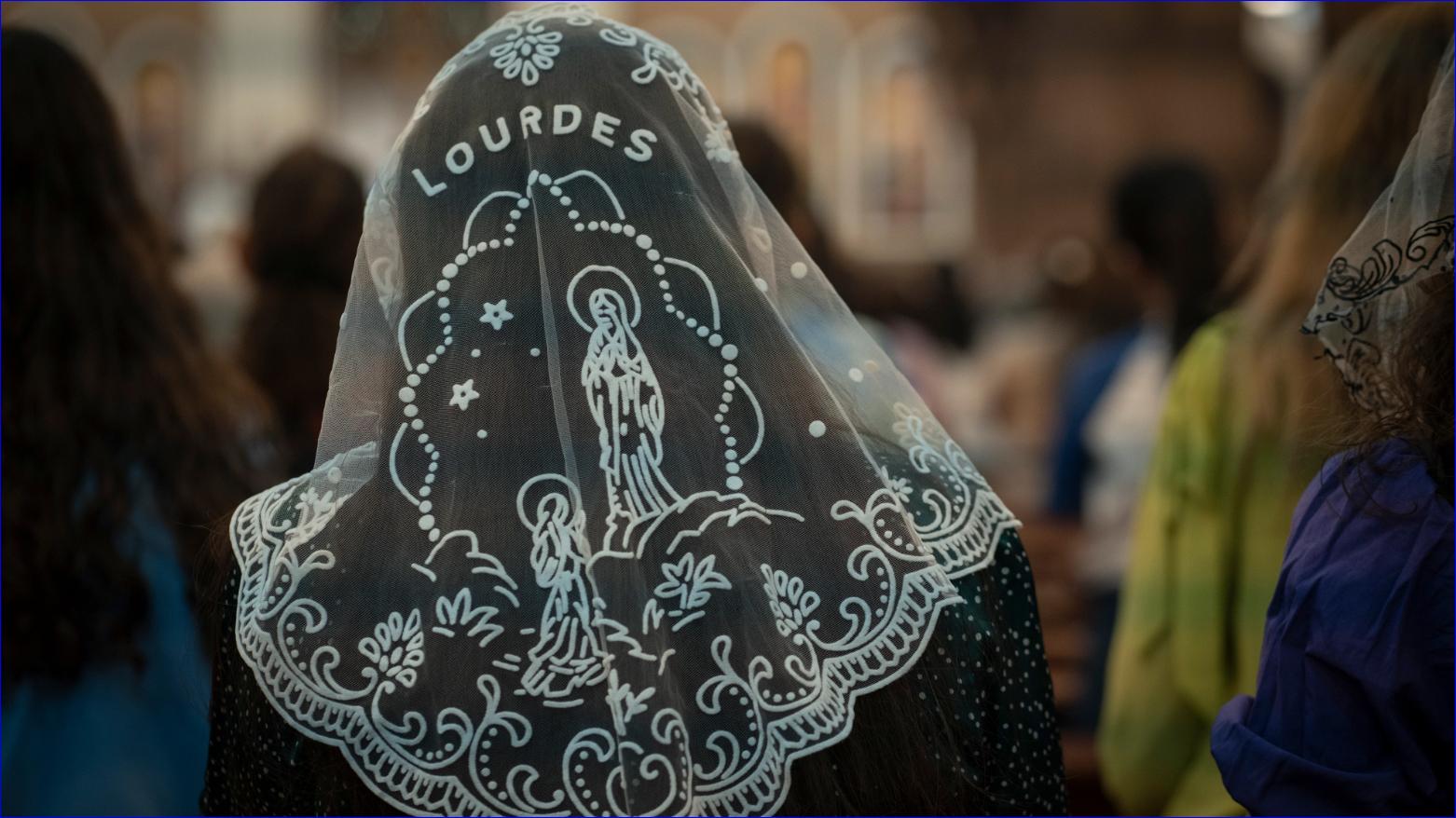 Years after violence forced Christian families from Baghdad and other parts of Iraq, some of those displaced say repeated government promises have failed to give them enough confidence to return, leaving families still living with the physical, financial and emotional consequences of displacement.
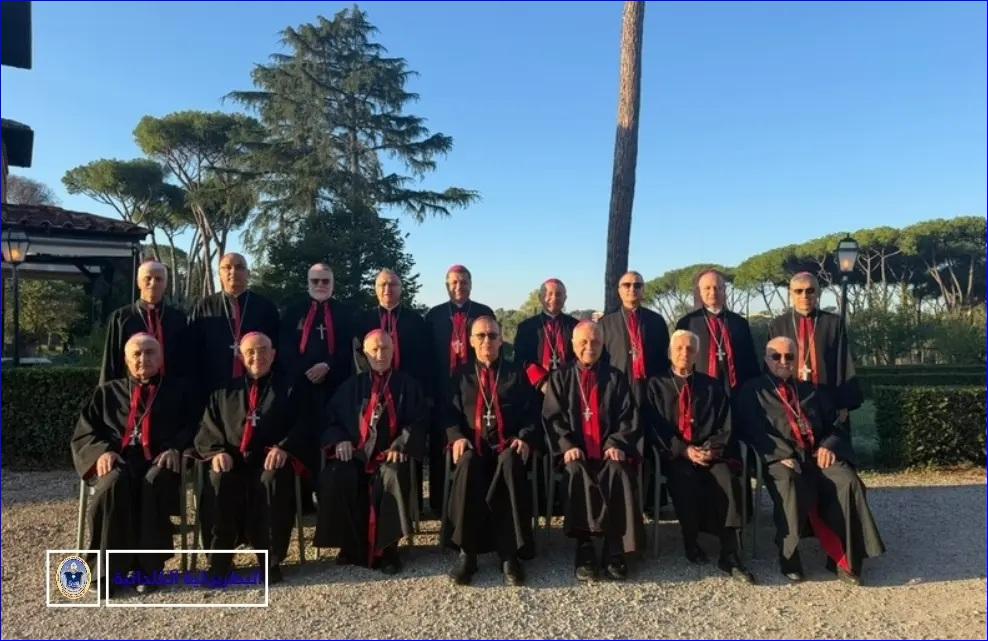 Rome -- The Chaldean bishops issued a final statement at the end of their synod, which was held in Rome from 16 to 19 October. In it they express "concerns about employment, stability, education, and the future" of families and the entire community," which is "very close to our hearts", and is "always present in our prayers and pastoral responsibility.
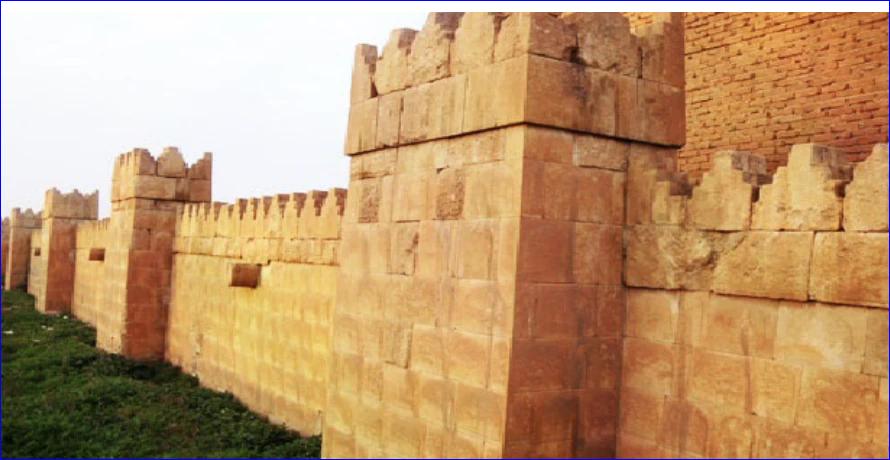 From ancient Assyrian heritage and Mosul's post-ISIS reconstruction to Sinjar's displaced communities and a recovering economy, Nineveh embodies both Iraq's extraordinary past and the challenges shaping its future. Nineveh has long stood at the crossroads of Iraq's history, culture, and identity.
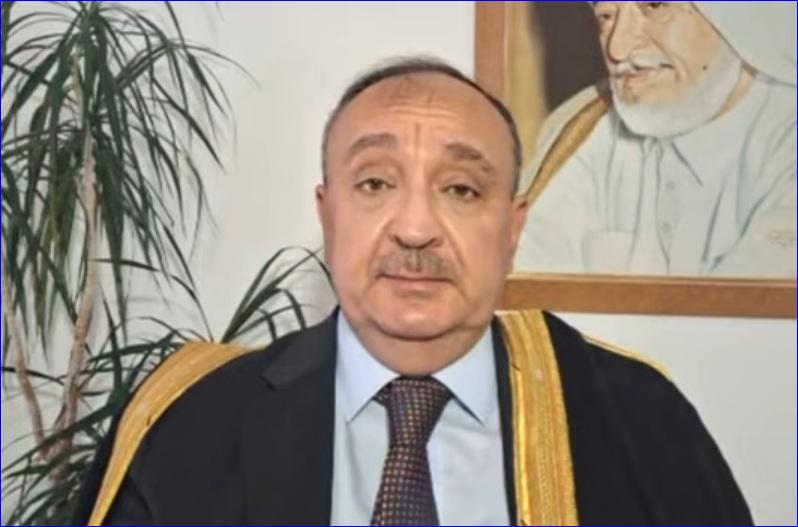 Yezidi Prince Anwar Muawiya has called for closer cooperation between Yezidis and Assyrian people, warning that continued displacement, political marginalization and disputes over historical identity threaten the future of both peoples in Iraq and the wider region.
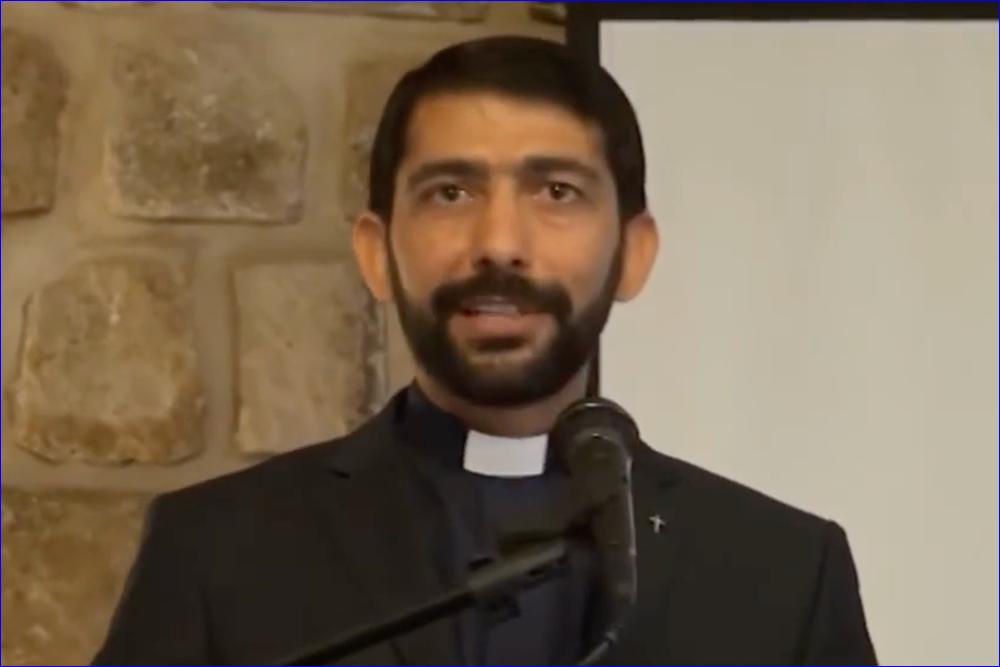 A newly published academic research paper by Dr. Daniel Sada delivers a rebuttal to controversial claims advanced by Kurdish Protestant pastor Ender Peker, challenging his attempted reclassification of the Indigenous Assyrians of Hakkari as ethnically Kurdish. Published on Academia.
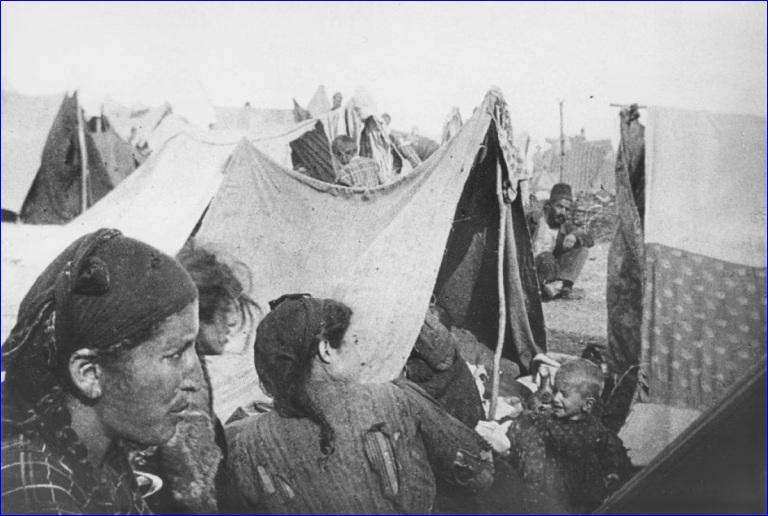 In the spring of 1915, as violence spread across the Ottoman Empire, Christian leaders in Merde (Mardin) feared for their communities' survival. Armenian Catholic Patriarch Ignatius Maloyan, Chaldean priests, French Dominican monks, and Assyrian Catholic Archbishop Gabriel Tappuni confronted a growing danger.
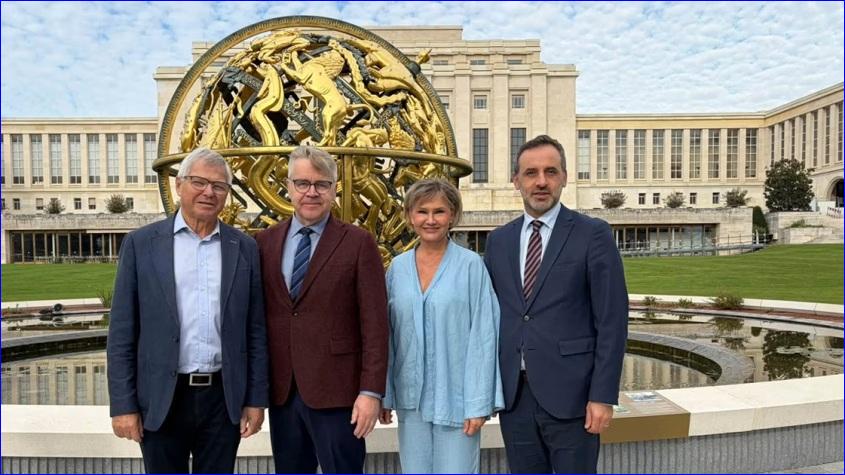 Geneva, Switzerland -- Assyrian member of the Swedish Parliament Yusuf Aydin took part in international meetings in Geneva focused on defending religious freedom and strengthening protections for Christians facing persecution, with discussions examining cases in Nigeria, Syria and Pakistan.
 Sulaymaniyah, Iraq -- Sanharib Women's Club retained its Iraqi Women's Volleyball League title on Saturday, defeating Akad Ankawa 3--0 to reaffirm its position among the country's leading women's volleyball teams.
By Arief Nurrachman
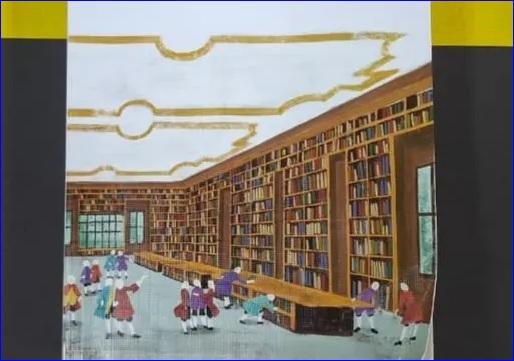 Libraries must be able to adapt to the changing times. This aligns with what was once proposed by S.R. Ranganathan, the father of Library Science in India, in response to library services for its patrons.
 Zurich -- Christians and other religious minorities in Syria continued to face killings, abductions, arbitrary detentions, and sectarian attacks during the third quarter of 2026, according to a report published by Christian Solidarity International (CSI).

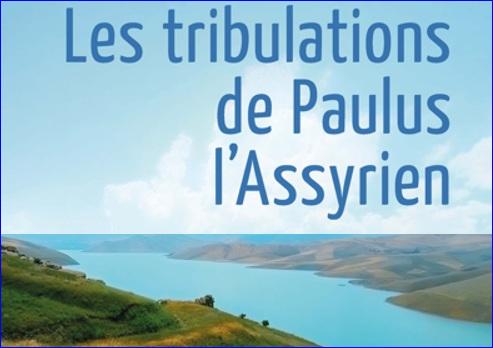 (AINA) -- In her new book, Claire Weibel Yacoub recounts the odyssey of an Assyrian in a historical novel about exile, war, and the unbroken will of a people. With Les tribulations de Paulus l'Assyrien (The Tribulations of Paulus the Assyrian), the French historian and specialist on the Assyro-Chaldean question, Claire Weibel Yacoub, presents a moving novel based on a true story.
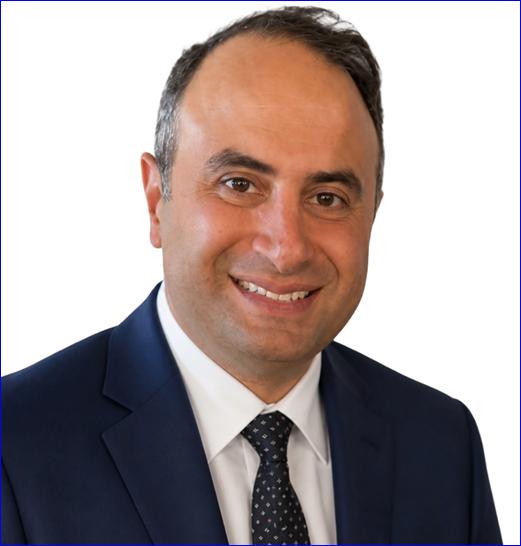 Hamilton, Ontario Canada (AINA) -- Dr. Nenos Damerchie, an Assyrian-Canadian chiropractor, small-business owner and longtime Hamilton resident, is running for Hamilton City Council in Ward 8 in the October 26, 2026 municipal election. Dr. Damerchie was born in Kuwait to an Assyrian family and came to Hamilton as a child.
 (AINA) -- The Assyrian Arts Institute (AAI) is an organization founded by Nora Betyousef Lacey in 2017 and claims to support Assyrian arts. AAI has sponsored a few events since its founding, including an Assyrian women's choir.
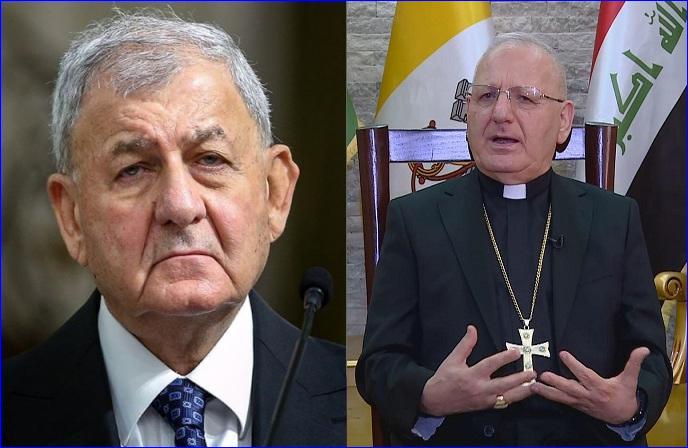 (AINA) -- On July 12 Iraqi president Abdul Latif Rashid repealed the decree recognizing the appointment of Cardinal Louis Raphael Sako as head of the Chaldean Catholic Church and which appointed him to the office of the waqf (وقف), the endowment which oversees all church property. The details of the events leading up to this action are exhaustively covered in this report by MEMRI.
 (AINA) -- "The empires of the future are the empires of the mind." With this celebrated statement, Winston Churchill anticipated that great civilizations are measured not by their territorial expansion, but by their capacity to generate, preserve, and transmit knowledge.
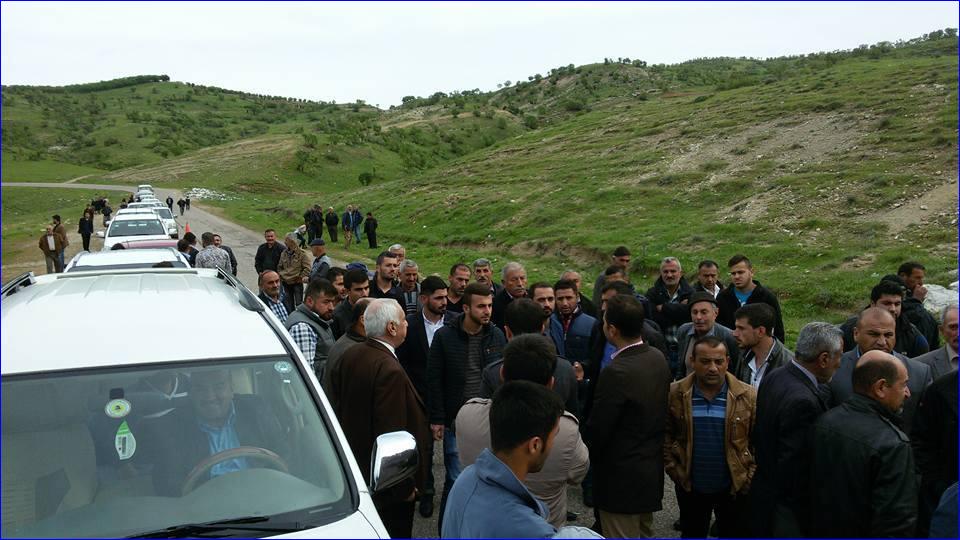 (AINA) -- For decades, the world has heard repeated claims that northern Iraq is a region of stability, security, and coexistence. However, many Assyrians living in their ancestral homeland continue to express serious concerns about intimidation, restrictions on their freedoms, and growing pressures that threaten their ability to preserve their identity, voice, and presence in the land of their...
 Stockholm -- The history of the ancient civilizations and peoples of Beth Nahrin (Mesopotamia), whom the Suroyo (Syriac--Aramean--Assyrian--Chaldean) people today regard as their ancestors, successors and continuation, extends far beyond science, inventions, economics, trade, language, and military affairs.