By Dr. Sarah Yildiz
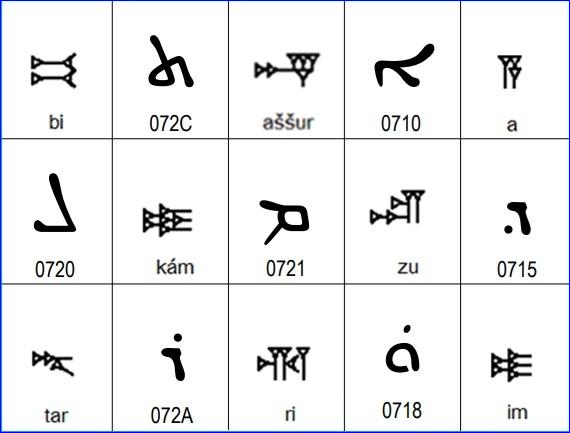 (AINA) -- "The empires of the future are the empires of the mind." With this celebrated statement, Winston Churchill anticipated that great civilizations are measured not by their territorial expansion, but by their capacity to generate, preserve, and transmit knowledge.
By Namrood Shiba
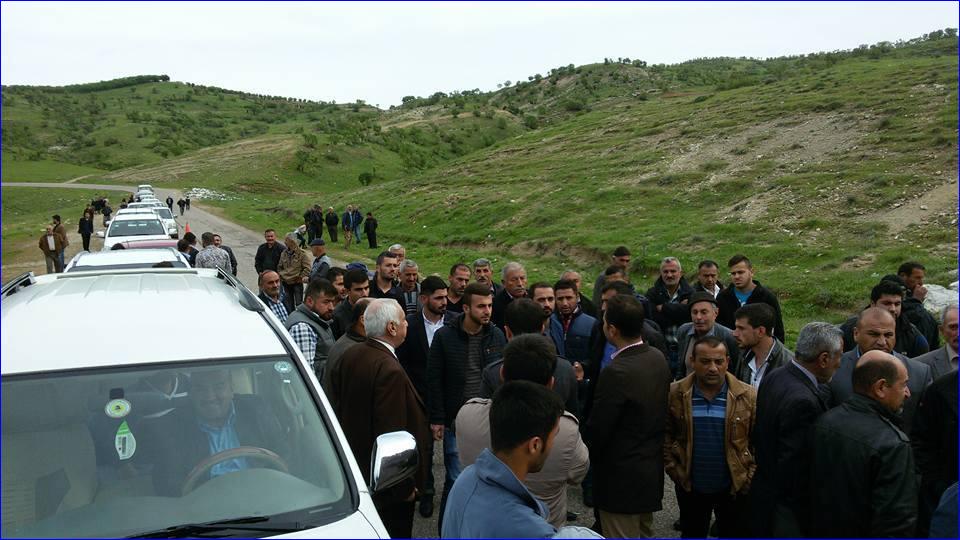 (AINA) -- For decades, the world has heard repeated claims that northern Iraq is a region of stability, security, and coexistence. However, many Assyrians living in their ancestral homeland continue to express serious concerns about intimidation, restrictions on their freedoms, and growing pressures that threaten their ability to preserve their identity, voice, and presence in the land of their...
By Namrood Shiba
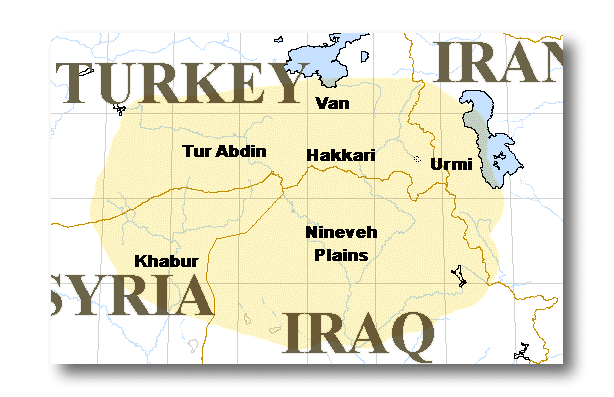 (AINA) -- Referring to Assyrians solely as "Christians" does not accurately represent an indigenous people with a distinct history, culture, language, and national identity. Christianity is an important part of Assyrian heritage and has played a significant role in Assyrian history, but it does not replace, define, or erase the Assyrian identity.
By Namrood Shiba
(AINA) -- The indigenous Assyrian people continue to face immense pressure in their ancestral homeland, the land of Assur, Assyria. Our ancestral homeland remains under the control of authorities who occupy our historic lands and, according to numerous reports from members of our community, are pursuing policies that marginalize the indigenous Assyrian population through intimidation, restrictions...
By Namrood Shiba
(AINA) -- The security situation in northern Syria has reached a critical stage. What was previously described as allegations is now substantiated by multiple field reports and security assessments confirming the existence of established tunnel networks linking Syrian territory with both Iraq and Turkey.
By Namrood Shiba
(AINA) -- Iraq is being dismantled deliberately. This destruction is not the result of fate, historical inevitability, or the diversity of its people. It is the outcome of calculated decisions made by political elites who chose loyalty to power, parties, and foreign patrons over loyalty to the Iraqi nation.
