


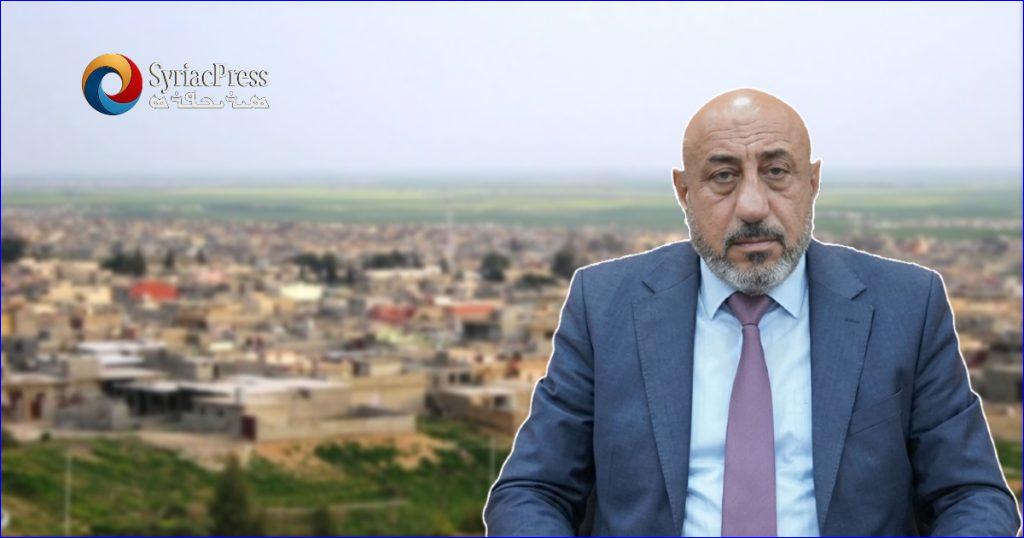
Speaking on the Burj Muragaba program on Al-Ahad satellite channel, Youssef said encroachments on agricultural land in Bartella were contributing to what he described as efforts to change the identity of a town long associated with the Christian Suraya community.
Related: Kurdish Confiscation of Assyrian Lands in North Iraq
"Bartella is Assyrian and everyone knows that," Youssef said during the interview, stressing that the issue extended beyond ordinary violations of land-use regulations.
He distinguished between encroachments on agricultural property and those involving municipal land, explaining that the latter were not occurring in Baritle, while confirming that unauthorized construction on agricultural land had become a growing concern.
"There are encroachments on agricultural land, yes," he said, reiterating that these developments were contributing to changes in the town's identity.
Youssef acknowledged that illegal construction on agricultural land was a problem affecting several Iraqi provinces. However, he argued that the situation in Baritle carried particular significance because of the town's historical and cultural character.
His remarks have drawn renewed attention to land-use practices and demographic pressures in the Nineveh Plains, a region where the future of historically Christian communities has long been a source of concern.
Located east of Mosul, Baritle is one of Iraq's historic centers of the Assyrian Orthodox community. Its churches, religious traditions, language and cultural heritage have made it an important center of Assyrian Christian life in Nineveh Plains.
The town and its surrounding areas have undergone profound changes over the past two decades, shaped by conflict, displacement, population movements, and disputes over property and land ownership. The Islamic State's takeover of parts of Nineveh Plains in 2014 forced large numbers of Christians to flee their homes, while subsequent returns and demographic shifts further reshaped the region.
Youssef's intervention highlights that protecting Baritle's identity cannot be separated from enforcing land-use regulations and safeguarding agricultural property.
However, he did not identify specific individuals or groups allegedly responsible for the encroachments, provide estimates of the scale of unauthorized construction, or disclose details of any official investigations into the matter.
His remarks reflect broader concerns among Christian Assyrian communities in Nineveh Plains that preserving their historical presence requires more than protecting churches and religious sites. It also depends on effective public administration, respect for property rights, and safeguards against practices that could gradually transform the character of their ancestral towns.
or register to post a comment.