


Related: Read the full article
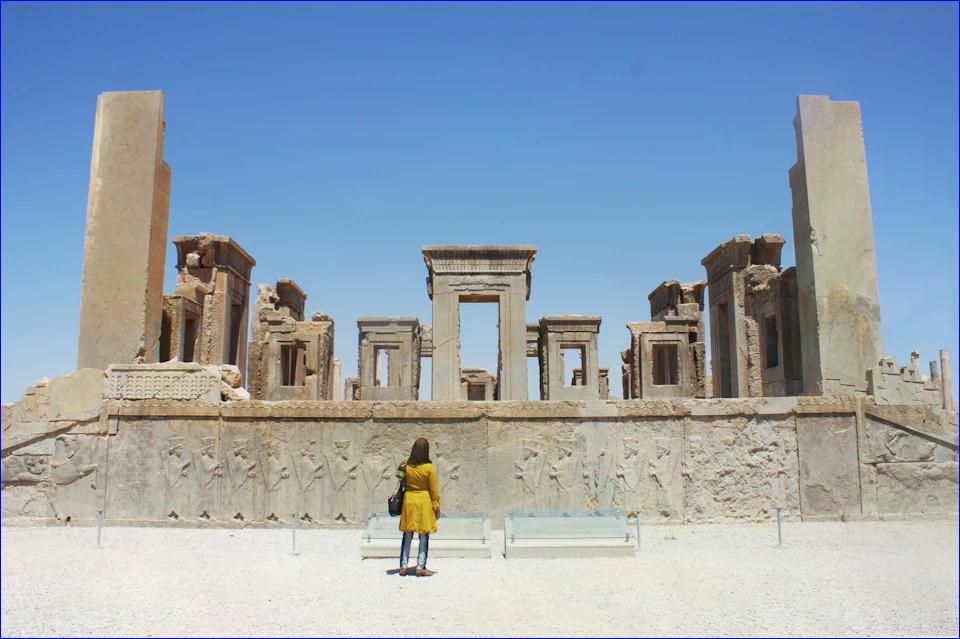
Drawing upon Persian royal inscriptions, the Persepolis Fortification Archive, the monumental reliefs of Persepolis and Naqsh-e Rustam, archaeology, Herodotus, and modern Iranian scholarship, the study demonstrates that the collapse of the Neo-Assyrian Empire represented the end of political independence--not the disappearance of Assyria or the Assyrian people. Among the study's principal findings:
- Aθurā (Athura), the Old Persian name for Assyria, appears consistently in the royal inscriptions of Darius I, Xerxes I, and Artaxerxes II, confirming that Assyria continued as an officially recognized province of the Achaemenid Empire.
- The corresponding Old Persian ethnonym Āthuriyā ("the Assyrian") appears on the royal throne-bearer inscriptions at Naqsh-e Rustam and again approximately a century later on the tomb of Artaxerxes II at Persepolis--providing direct epigraphic evidence that the Achaemenid court officially recognized Assyrians as one of the constituent peoples of the empire.
- A royal inscription from Susa records that "the Assyrian people brought [the cedar timber] to Babylon," demonstrating the active participation of Assyrians in major imperial construction projects.
- The Persepolis Fortification Archive documents Assyrians as one of the largest non-Persian ethnic communities within the imperial administration, with more than 2,600 individuals identified in the surviving records.
- The study also highlights the complete absence of KWRT, KRD, Kurd, and several other later ethnonyms from both the Achaemenid inscriptions and administrative archives, despite the remarkable precision with which the empire recorded the identities of its constituent peoples.
The research argues that these independent lines of evidence--epigraphic, archaeological, administrative, monumental, and classical--converge on the same conclusion: Assyria survived as a province, and the Assyrians survived as a recognized people throughout the Achaemenid period. The evidence consistently points to political transformation rather than demographic, ethnic, or cultural extinction, providing one of the clearest post-imperial demonstrations of Assyrian continuity in the ancient Near East.
or register to post a comment.