


Despite persistent criticism in some Western media outlets over the state of religious freedoms in the Islamic Republic, realities on the ground often present a more complex and nuanced picture than the one commonly portrayed.
Today, Iran is home to an estimated 250,000 to 300,000 Christians, according to unofficial figures, who live and practice their faith across the country. Christian communities are scattered throughout several provinces and cities, with the largest concentrations found in Tehran, Isfahan, and parts of West and East Azerbaijan provinces.
Iran's Christian population is diverse, consisting mainly of Armenian Apostolic Christians, Assyrians, Chaldeans, and smaller numbers of Catholic and Protestant communities.
Armenians, the largest Christian group in the country, are historically concentrated in Tehran and Isfahan, particularly in the Jolfa district, while Assyrian Christians are mainly based in Tehran and the northwestern regions of Iran.
These communities are officially recognised under Iran's constitution as religious minorities, granting them certain legal rights to worship freely and manage their communal affairs.
Christians in Iran are also politically represented. The Iranian parliament, or Majlis, reserves seats for officially recognised religious minorities, including Christians. Armenian Christians are represented by two members of parliament, one for Armenians in the north and one for those in the south, while Assyrian and Chaldean Christians share one parliamentary seat.
These representatives participate in legislative processes and frequently speak on issues related to minority rights, cultural preservation, and social affairs.
Religious life for Christians continues through an established network of churches across the country. Iran is home to several hundred churches, most of them Armenian and Assyrian, many of which date back centuries and are registered as national heritage sites.
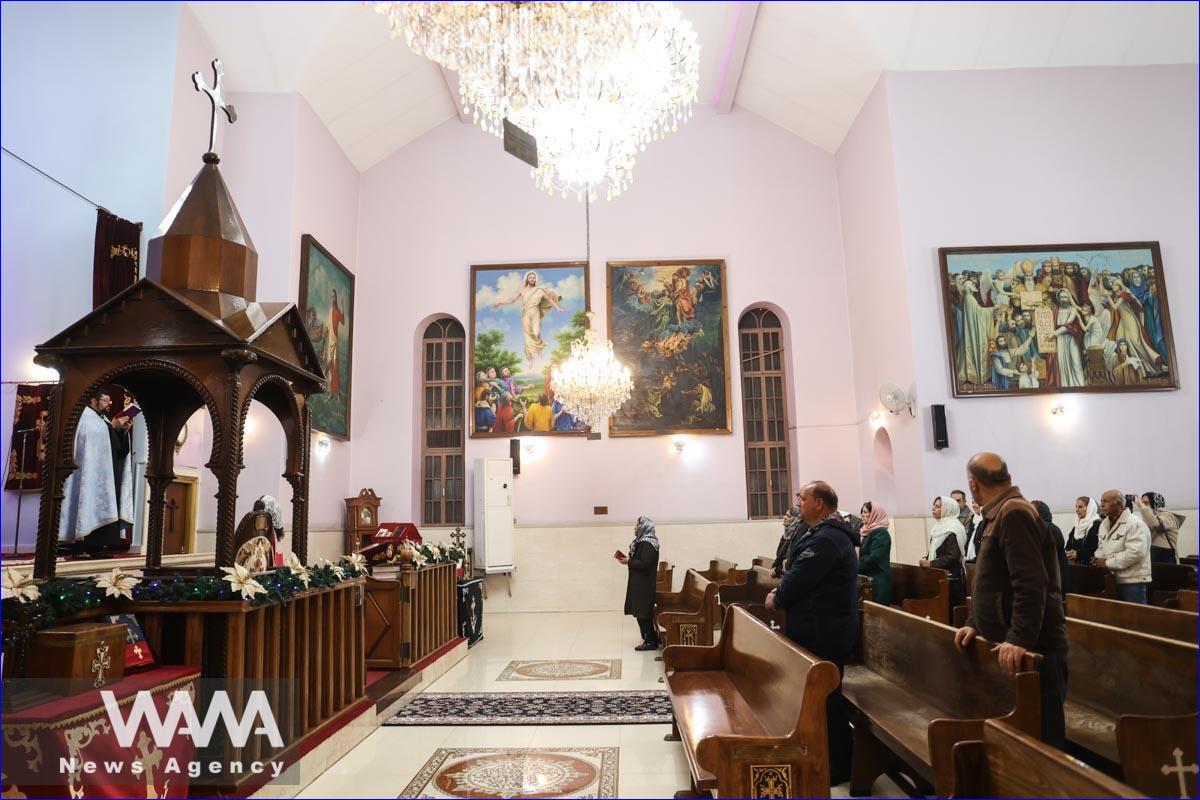
Well-known churches such as Vank Cathedral in Isfahan and Saint Sarkis Cathedral in Tehran remain active centers of worship, particularly during major religious occasions such as Christmas and the New Year.
Each year, Iranian Christians mark the New Year with religious services, family gatherings, and community celebrations. Churches hold special prayers and liturgies, often on the evening of December 31 and the morning of January 1, attended by worshippers dressed in festive attire.
In addition to religious ceremonies, celebrations extend to community halls, cultural clubs, and, in some cases, private venues reserved specifically for Christian communities. These gatherings typically include music, traditional foo,d and social events, reflecting customs that have been preserved over generations within Iran.
In interviews conducted by WANA News Agency during New Year celebrations this year, several Iranian Christians expressed hopes that echoed broader concerns shared by many Iranians.
Economic stability, peace, and social calm were among the most frequently mentioned wishes for 2026. "Like everyone else in this country, we hope for a year with less pressure and more certainty," one Armenian Christian resident of Tehran told WANA. Another interviewee emphasised the desire for unity, saying that coexistence and mutual respect among different religious groups remain essential for Iran's future.
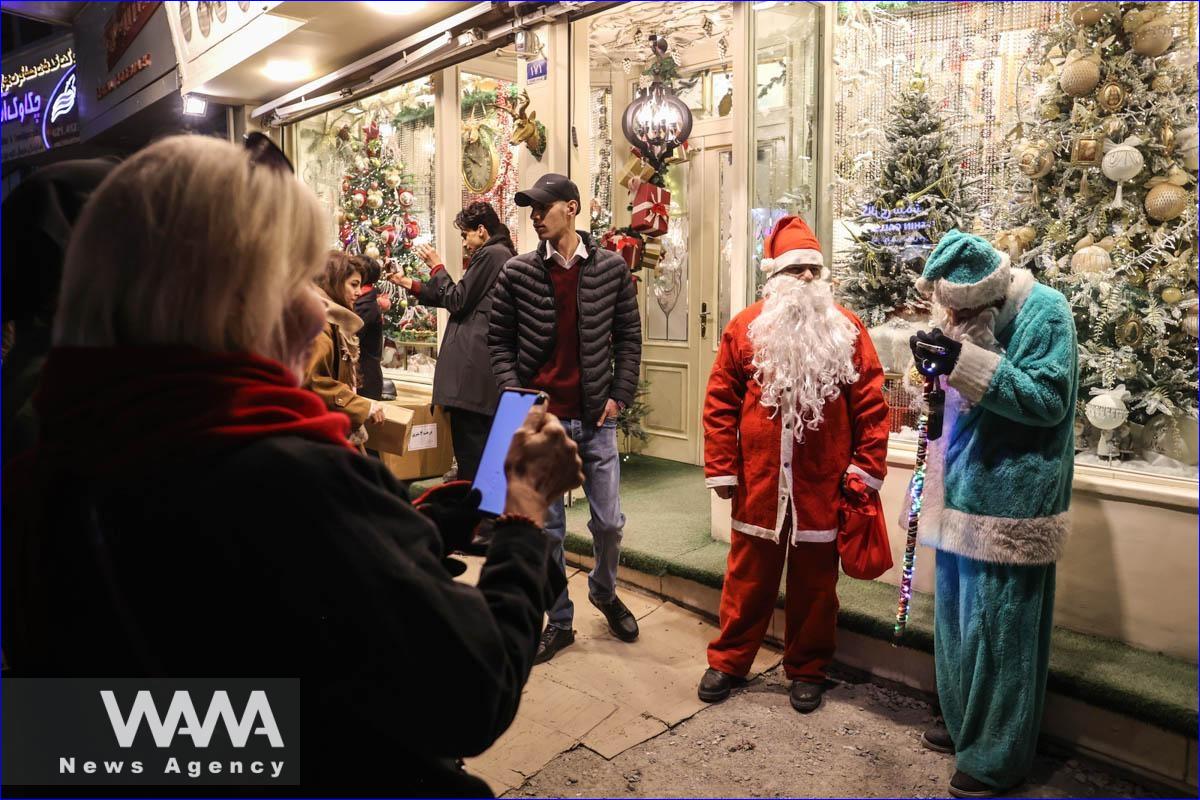
The interesting issue in the past couple of years was that, although Iran runs on the Solar calendar and Christmas and the Christian New Year are not official celebrations in this country, thanks to social media and the youth generation, the festive spirit of these celebrations has become very popular in Iran, so much that some of the streets in Tehran, that are historically related to Christian communities, fill up with Christmas stores, trees, decoration, etc and people -- ironically, non christians mostly- spend the Chrismas night and the New year day there; enjoying the vibrant decorations, twinkling lights, and festive symbols that embody the joy of the season.
While WANA reporters where talking to people on one of these streets, the famous streets of Mirza-ye- Shirazi, A non- christian young girl, Ms Mahsa, told them " I wish the new year that is coming, 2026, will be a good year for all nationalities, all people of all all countries, and everyone to continue their lives without worries and happily."
Such sentiments are often reflected in official rhetoric as well. Iran's Supreme Leader, Ayatollah Ali Khamenei, has repeatedly spoken about the importance of peaceful coexistence between Muslims and religious minorities. During several meetings with Christian families and representatives in recent years, he has described Christians as "fellow citizens" and emphasised that safeguarding the dignity and security of minorities is a religious and national duty.
In one such meeting, he stressed that differences in belief should not prevent solidarity and social harmony, a message frequently highlighted by Iranian state media.
These messages are reinforced during major religious occasions, when officials often extend public greetings to Christian communities. Local authorities in cities with notable Christian populations also coordinate with church leaders to ensure that celebrations and religious services take place smoothly, particularly during crowded holiday periods.
Beyond churches, New Year festivities are also held in cultural associations and sports clubs affiliated with Christian communities, spaces that serve as social hubs throughout the year. These venues allow families and younger generations to celebrate together in familiar settings, blending religious tradition with modern social life. For many Iranian Christians, these gatherings are as much about preserving identity as they are about welcoming a new year.
As Iran enters another year marked by economic challenges and regional uncertainty, Christian communities, like the rest of the population, are looking ahead with cautious hope.
While debates about religious freedoms in Iran continue abroad, the annual celebrations of the Christian New Year offer a snapshot of daily coexistence inside the country, shaped by history, shared space and a desire for stability that cuts across religious lines.
or register to post a comment.