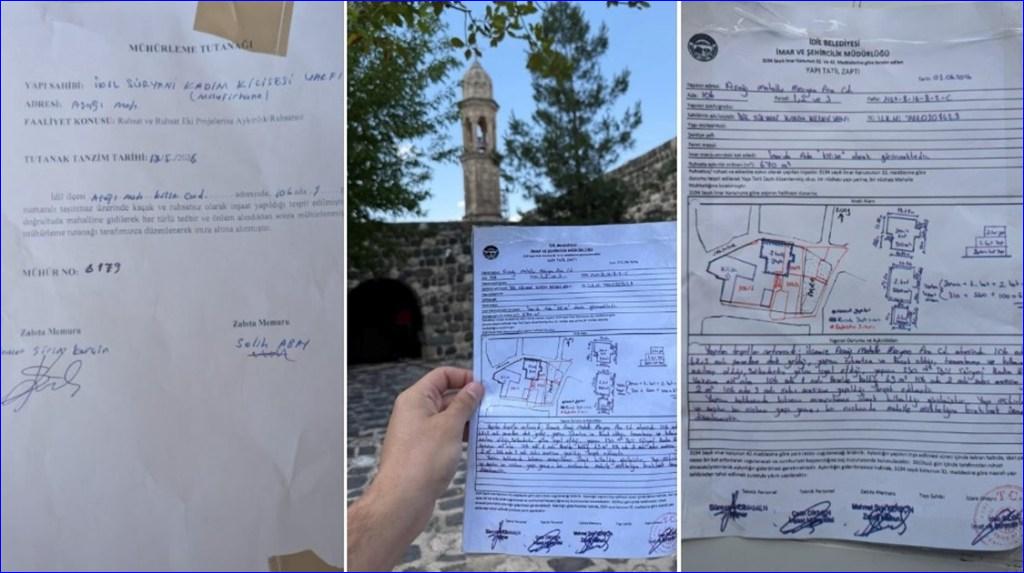
 Tur Abdin, Turkey -- The International Idil (Azech) Assyrian Federation has accused Azech Mayor Türkan Kayir of using municipal powers to target Assyrian residents and their properties. The Federation alleges that recent sealing and demolition orders are part of personal disputes--rather than impartial enforcement of municipal regulations--and a retaliation campaign against members of the Assyrian...
 Turkey -- The AKP-run municipal administration in the Idil district of Sirnak province is issuing demolition orders against homes and commercial premises belonging to members of the Assyrian community. Four of the affected Assyrian citizens have already initiated legal proceedings against the measures. Nevertheless, their buildings were demolished before the court could rule on their objections.
Midyat, Turkey -- The Second Civil Court of First Instance in Medyad (Midyat) has ruled that members of a Assyrian family from Tur Abdin may not officially change their Turkish surname to their original Assyrian family name, Assyrian newspaper Gazete Sabro reports. The ruling concerns members of a Assyrian family registered in the village of Anhel (Yemisli) in Tur Abdin.
By Jalal Tagreeb
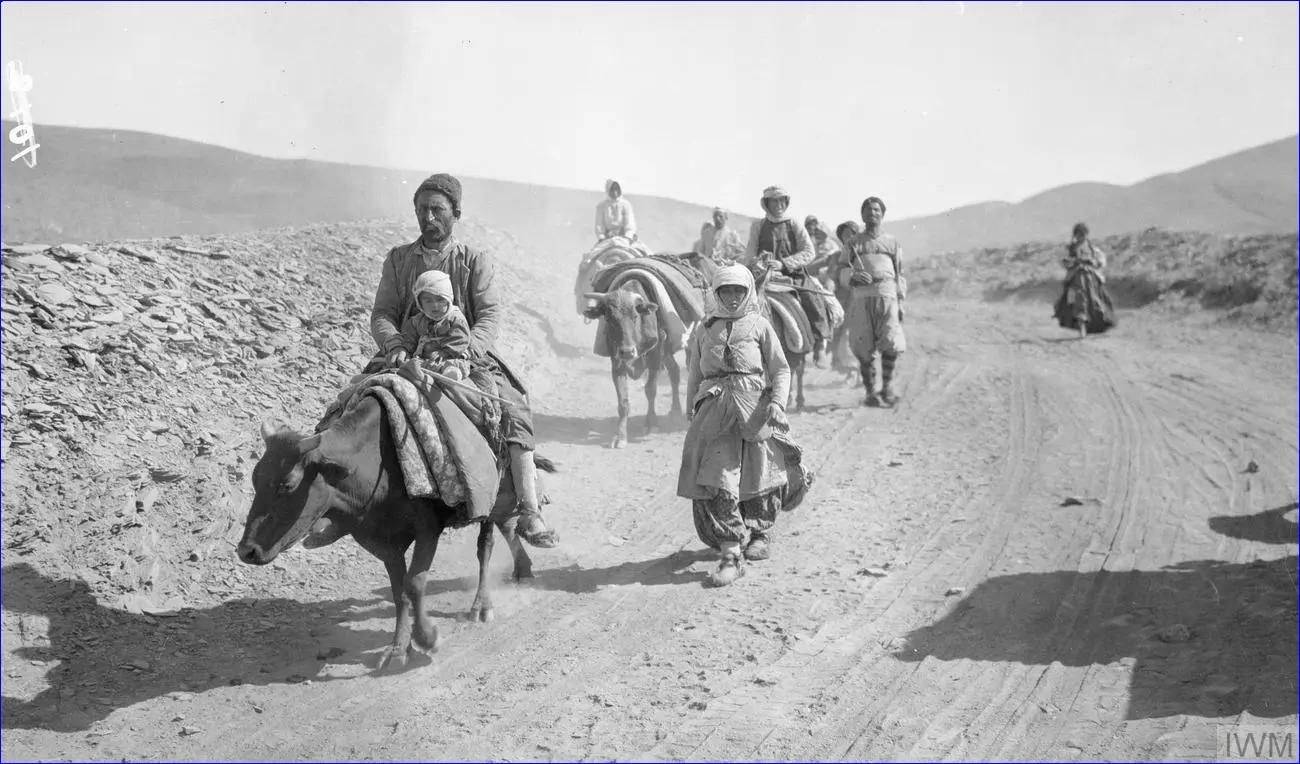 In a previous article about jizya, the author argued that the poll tax imposed on Christians and Jews under Islamic rule functioned as a religiously mandated instrument of subjugation rather than a reciprocal protection fee.
By Lisa Navarrette
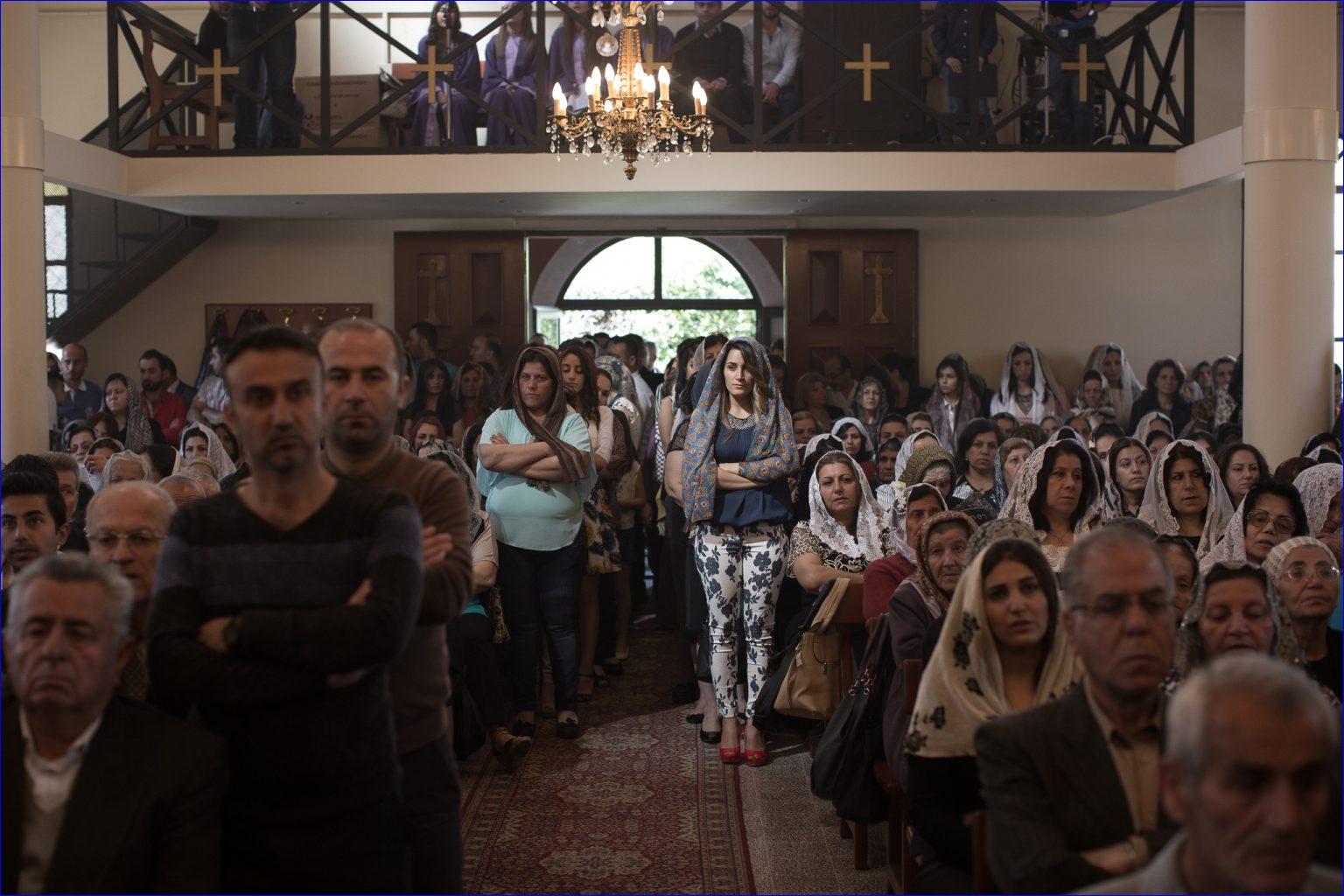 On an ordinary August evening in 2014, Mariam was preparing dinner while her husband, Nabil, closed the small repair shop his family had owned for decades. Their two children were arguing over who would use the television first. Somewhere in the distance, a church bell sounded.
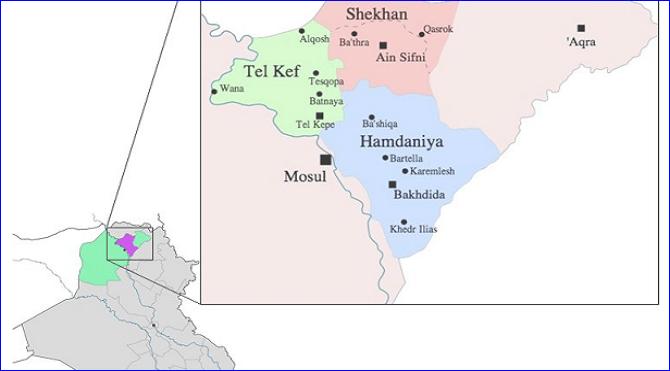 Nineveh Plain, North Iraq -- As the United States has completed its military withdrawal from Iraq, Joseph Sliwa, a former member of the Iraqi Parliament and head of the Bethnahrin Patriotic Union (HBA), argues that the departure should be viewed less as a security vacuum than as a test of the Iraqi state's ability to consolidate control over the country's disputed and vulnerable regions.
